Greek Chicken Power Bowl: The Ultimate Guide to Building a Nutritious, Flavor-Packed Meal
Sixty-three percent of women aged 25–34 say they want meals that are both genuinely nutritious and worth looking forward to , and that tension is exactly what most “healthy” meals fail to solve. The Greek Chicken Power Bowl does something rare: it delivers bold Mediterranean flavor, serious protein, and clean, whole-food ingredients without feeling like a compromise. Whether you’re building one from scratch or exploring options like the Healthy Choice Greek Style Chicken Power Bowl, this guide covers everything ingredients, nutrition, meal prep tactics, smart customizations, and the real differences between a store-bought and homemade bowl. By the end, you’ll have everything you need to make this your go-to weekday meal.
1. Why the Greek Chicken Power Bowl Is Dominating Healthy Eating Trends
The rise of the Greek Chicken Power Bowl isn’t a food trend — it’s a lifestyle shift.
Mediterranean eating has been ranked the 1 best diet by U.S. News & World Report for seven consecutive years. And the power bowl format is the smartest delivery system for it.
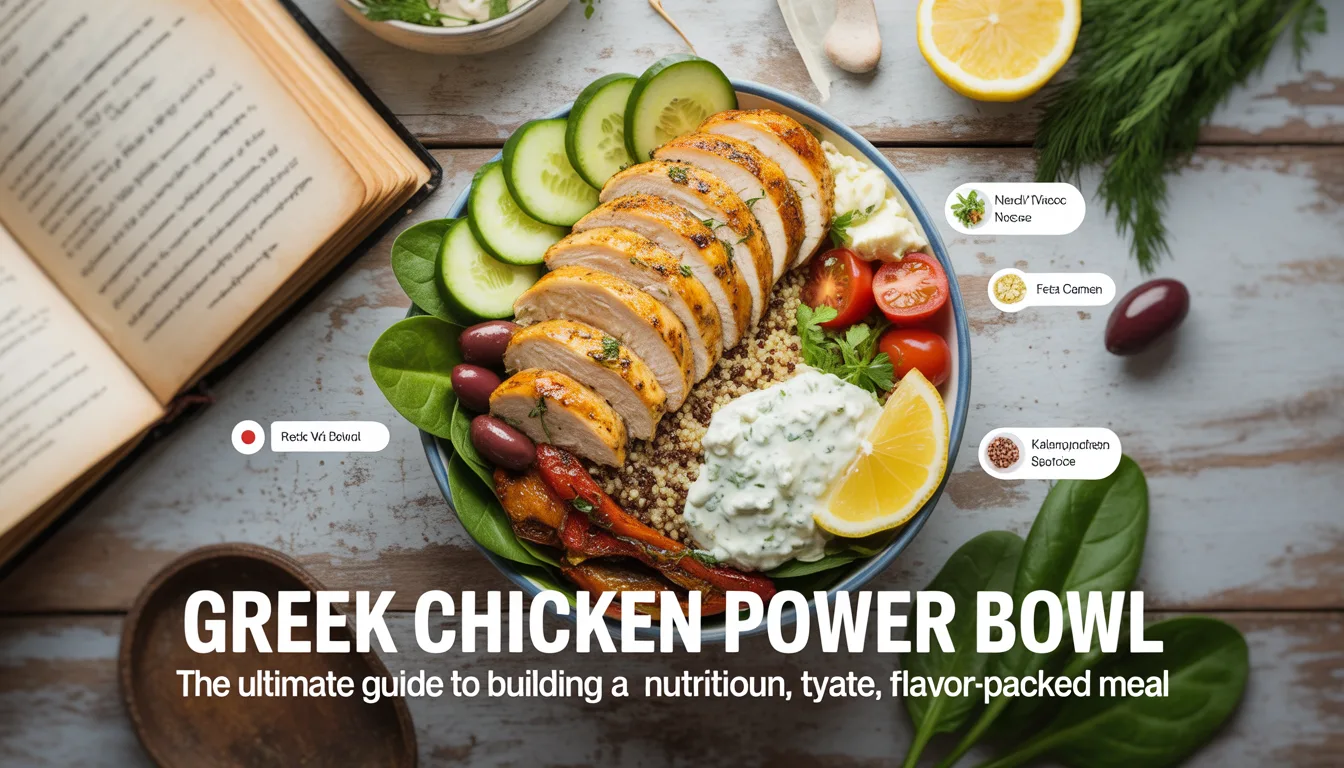
Unlike traditional salads that leave you hungry two hours later, power bowls are architecturally designed for satiety. A proper bowl combines:
- A protein anchor (grilled chicken, in this case)
- A complex carb or grain base (farro, quinoa, or brown rice)
- Healthy fats (olive oil, hummus, avocado)
- Fiber-rich vegetables (cucumber, tomato, roasted red peppers)
- A flavor-forward sauce (tzatziki, lemon tahini)
A real-world example: Sarah, a 29-year-old project manager, switched from midday sandwiches to Greek power bowls three days a week. Within six weeks, she reported fewer afternoon energy crashes and eliminated her 3 PM vending machine run entirely. That’s not magic — that’s macronutrient balance doing its job.
Google Trends data shows searches for “power bowl recipes” have grown over 80% in the past three years, with Mediterranean variations consistently outperforming other styles.
The Greek bowl is winning because it checks every box modern women care about: high protein, low-effort prep, visually appealing, and genuinely satisfying.
2. What Goes Into a Greek Chicken Power Bowl? (Full Ingredient Breakdown)
Understanding your ingredients is the difference between a bowl that’s good and one that’s optimized.
The Protein: Grilled Greek Chicken
The foundation of any solid Greek power bowl is marinated, grilled chicken.
A classic Greek chicken marinade includes:
- Extra virgin olive oil — the fat carrier for flavor and anti-inflammatory benefits
- Lemon juice — acid that tenderizes the meat and brightens every bite
- Garlic — raw or roasted, non-negotiable
- Dried oregano — the signature herb of Greek cuisine
- Kosher salt and black pepper
- Optional: red wine vinegar, Dijon mustard, fresh thyme
Marinate for a minimum of 2 hours, ideally overnight. The longer the marinade, the deeper the flavor penetration.
The Base: Grain or Greens?
You have two directions here, and both are valid depending on your goals:
Grain base options:
- Farro (highest fiber, nutty flavor — best overall)
- Quinoa (complete protein, gluten-free)
- Brown rice (neutral, budget-friendly)
- Cauliflower rice (lowest carb)
Greens base options:
- Romaine lettuce (classic, crunchy)
- Mixed greens (lighter, more varied)
- Baby spinach (iron-rich, mild)
- Arugula (peppery, pairs beautifully with lemon dressing)
Pro tip: Use a 50/50 split of greens and grain for the best of both worlds — you get the fiber and nutrients from greens plus the staying power of a grain base.
The Toppings: The Mediterranean Color Palette
A Greek bowl lives and dies by its toppings. Here’s the non-negotiable list:
| Topping | Why It Belongs |
|---|---|
| Cherry tomatoes (halved) | Lycopene, freshness, natural sweetness |
| English cucumber (diced) | Hydration, crunch, zero guilt |
| Kalamata olives | Healthy monounsaturated fats, briny depth |
| Red onion (thinly sliced) | Quercetin, sharpness that cuts through fat |
| Feta cheese (crumbled) | Calcium, tangy contrast, protein |
| Roasted red peppers | Vitamin C, smoky sweetness |
| Hummus | Creamy texture, plant protein, fiber |
| Pepperoncini | Mild heat, acidity, authentic Greek touch |
The Sauce: Tzatziki Is Non-Negotiable
Store-bought tzatziki works. But homemade is five ingredients away:
- Full-fat Greek yogurt
- Grated cucumber (squeezed dry)
- Garlic
- Fresh dill or mint
- Lemon juice + salt
Tzatziki does triple duty: it’s the dressing, the sauce, and an additional protein source all in one.
3. Step-by-Step: How to Build Your Perfect Greek Power Bowl at Home
Building a Greek Chicken Power Bowl at home takes less than 30 minutes when you have your components prepped.
Step 1: Marinate and Cook the Chicken
- Combine all marinade ingredients in a zip-lock bag or shallow dish
- Add chicken breasts or thighs (thighs stay juicier)
- Marinate for 2–24 hours
- Grill on medium-high heat: 6–7 minutes per side for breasts, 5–6 for thighs
- Rest for 5 minutes before slicing against the grain
Temperature target: 165°F internal. Don’t guess — use a meat thermometer.
Step 2: Cook or Prepare Your Base
If using a grain:
- Cook farro or quinoa per package instructions (usually 15–20 minutes)
- Season with a pinch of salt and a drizzle of olive oil while hot
If using greens:
- Wash and dry thoroughly
- Toss lightly with lemon juice and olive oil before assembling — this prevents sogginess
Step 3: Prep Your Vegetables
Dice your cucumber, halve your tomatoes, slice your red onion paper-thin. If you want roasted red peppers, do them ahead (or use jarred — no shame in it).
Time-saving tip: Prep all vegetables on Sunday for 4–5 bowls. Store separately in airtight containers.
Step 4: Assemble the Bowl
Think of your bowl as a clock face:
- Grain or greens in the center
- Chicken sliced on one side
- Vegetables arranged in distinct sections (don’t mix them — visual separation keeps flavors defined)
- Feta crumbled over the top
- Olives and pepperoncini placed last
- A spoonful of hummus on one side
- Tzatziki drizzled over everything OR served on the side
Step 5: The Final Touch — Dressing
A simple lemon-herb dressing over the top:
- 3 tbsp extra virgin olive oil
- 1.5 tbsp fresh lemon juice
- 1 tsp dried oregano
- Salt and pepper
Whisk and drizzle. Done.
4. Nutritional Profile: What You’re Actually Putting in Your Body
Here’s where the Greek Chicken Power Bowl earns its “power” title.
A standard homemade bowl (with farro base, 5oz grilled chicken, standard toppings, tzatziki) delivers approximately:
| Nutrient | Amount |
|---|---|
| Calories | 520–580 kcal |
| Protein | 42–48g |
| Carbohydrates | 35–40g |
| Fiber | 7–9g |
| Healthy Fats | 18–22g |
| Sodium | 680–750mg |
Why These Numbers Matter for Women 25–34
Women in this age group have specific nutritional needs that are often underprioritized:
Protein (42–48g per bowl): Research published in the American Journal of Clinical Nutrition shows that women consuming 30g+ of protein per meal experience significantly better muscle maintenance and reduced late-night snacking. One bowl gets you there.
Iron (from spinach + chicken): Iron-deficiency anemia affects approximately 9–12% of women in their late twenties. Combining spinach with vitamin C-rich tomatoes and peppers in your bowl dramatically improves iron absorption.
Calcium (from feta + yogurt): Women reach peak bone density in their early thirties. Regular intake of calcium-dense foods — like the feta and tzatziki in this bowl — is genuinely preventive, not just nutritional box-checking.
Healthy Fats (olive oil + olives + hummus): Monounsaturated fats support hormonal balance, skin health, and cognitive function. The Mediterranean fat profile in this bowl is not incidental — it’s one of the most studied dietary patterns for women’s long-term health.
The Glycemic Advantage
Unlike bowls built on white rice or refined pasta, a farro or quinoa base produces a slow, steady glucose response. This means:
- No mid-afternoon energy crash
- Reduced cravings within 2–3 hours
- Better mood stability throughout the afternoon
That’s not wellness marketing. That’s blood sugar science.
Read More: 25 Healthy Salad Recipes That Actually Keep You Full (And Taste Amazing)
5. Healthy Choice Greek Style Chicken Power Bowl vs. Homemade — Which Wins?
The Healthy Choice Greek Style Chicken Power Bowl is a real product that sells well — and for good reason. It’s convenient, portion-controlled, and better than most frozen meal alternatives. Let’s give it a fair assessment.
What the Healthy Choice Version Offers
- Convenience: Ready in 3–4 minutes. Zero prep, zero cleanup.
- Calorie control: Typically around 360–400 calories, making it easy to track
- Consistent macros: Useful for people who count calories or track macros strictly
- Availability: Found in most major grocery stores, often on sale
Where It Falls Short vs. Homemade
| Factor | Healthy Choice Version | Homemade Version |
|---|---|---|
| Protein | ~22–26g | 42–48g |
| Sodium | ~600–700mg | Controllable |
| Ingredient quality | Standard | Premium, fresh |
| Flavor depth | Moderate | Significantly higher |
| Customizability | None | Unlimited |
| Cost per bowl | $4.50–$6.00 | $2.50–$4.00 |
| Satiety | 3–4 hours | 5–6 hours |
The Honest Verdict
The Healthy Choice Greek Style Chicken Power Bowl is a smart option for busy days or office lunches when the alternative is fast food or skipping a meal entirely. It is not a replacement for a homemade bowl — the protein gap alone makes that clear.
Use it as a backup. Build homemade as your standard.
The best approach: prep homemade bowls Sunday through Thursday, keep a few Healthy Choice options in the freezer for Friday chaos or travel days.
6. Greek Power Bowl Meal Prep Strategy for the Whole Week
Meal prep is the variable that separates people who intend to eat well from people who actually do. Here’s a real, repeatable system.
The Sunday Setup (60 Minutes Total)
Week-prep quantities for 4–5 bowls:
- 1.5 lbs chicken thighs (marinated + grilled Sunday afternoon)
- 2 cups dry farro or quinoa (cook all at once)
- 1 English cucumber, 1 pint cherry tomatoes, 1 red onion (dice everything)
- 1 jar kalamata olives
- 200g feta cheese (buy block, crumble fresh each day — stays better)
- 1 batch homemade tzatziki (stays fresh for 5 days)
- 1 jar roasted red peppers (jarred is fine)
Total active time: About 25 minutes. The rest is oven and stovetop time.
Storage Protocol
| Component | Container | Fridge Life |
|---|---|---|
| Grilled chicken (sliced) | Airtight container | 4–5 days |
| Cooked farro/quinoa | Airtight container | 5 days |
| Chopped vegetables | Separate containers | 3–4 days |
| Tzatziki | Glass jar | 5 days |
| Assembled bowl (no dressing) | Meal prep container | 3 days |
Critical rule: Store the tzatziki and dressing separately until the moment you eat. This single habit keeps your bowl fresh and prevents sogginess.
The 5-Minute Assembly Routine
Every morning before work:
- Base layer: farro or greens (30 seconds)
- Protein: pre-sliced chicken from the container (15 seconds)
- Toppings: grab from individual containers (60 seconds)
- Feta and olives (15 seconds)
- Tzatziki in a small side container (10 seconds)
- Dressing in a small jar (10 seconds)
That’s under 3 minutes. There is no reason to skip lunch when this is the system.
7. Customizing Your Bowl: Swaps, Add-Ons, and Diet-Friendly Variations
The beauty of a Greek Chicken Power Bowl is its modularity. The Mediterranean base is flexible enough to accommodate nearly every dietary need without losing its identity.
High-Protein Variation
Goal: 50g+ protein per bowl
- Double the chicken (8–10oz)
- Add 2 tbsp hummus (extra 3g protein)
- Use Greek yogurt-based tzatziki (not store-bought with fillers)
- Add a soft-boiled egg on top (6g additional protein)
- Use quinoa base (complete protein vs. farro)
Total protein: 52–58g
Low-Carb / Keto Variation
Goal: Under 20g net carbs
- Replace farro/quinoa with cauliflower rice or arugula-only base
- Remove chickpeas if using
- Keep olives, feta, chicken, cucumber, tomatoes
- Use full-fat tzatziki and drizzle olive oil generously
- Avocado slices instead of hummus
Net carbs: ~12–15g
Dairy-Free Variation
- Replace feta with marinated artichoke hearts (similar brininess)
- Use dairy-free tzatziki (cashew or coconut yogurt base)
- Add extra avocado for creaminess
Plant-Based / Vegetarian Variation
Replace the chicken with one of the following:
- Crispy chickpeas (roast at 400°F for 25–30 minutes with olive oil, cumin, paprika)
- Grilled halloumi (if dairy is fine — high protein, salty, satisfying)
- Baked falafel (classic Greek street food, excellent texture contrast)
- Lemon herb tofu (marinate identically to the chicken)
Inflammation-Fighting Add-Ons
For women managing hormonal health, skin conditions, or stress-related inflammation:
- Turmeric-spiced rice as the base (anti-inflammatory compound curcumin)
- Walnuts instead of pine nuts for omega-3s
- Pomegranate seeds — antioxidant-dense and visually stunning
- Fresh mint — supports digestion, pairs beautifully with tzatziki
Seasonal Variations
| Season | Best Add-On |
|---|---|
| Spring | Radishes, fresh peas, mint |
| Summer | Grilled zucchini, fresh corn, heirloom tomatoes |
| Fall | Roasted butternut squash, dried cranberries |
| Winter | Roasted beets, pickled cabbage, pomegranate |
Adapting your bowl seasonally keeps the format from feeling repetitive — and seasonal ingredients are always fresher and less expensive.
Conclusion
The Greek Chicken Power Bowl isn’t just a meal — it’s a system for eating well consistently without sacrificing flavor, time, or satisfaction. Three things to take away from this guide:
First, the ingredients matter. A proper Greek bowl is built on high-quality protein, fiber-rich vegetables, and healthy fats — each element earns its place in your bowl and in your nutrition.
Second, meal prep is the secret. Sixty minutes on Sunday puts five ready-to-assemble bowls at your fingertips. That’s the single most impactful thing you can do to stick to your healthy eating goals during a real, busy week.
Third, customization keeps it sustainable. Whether you’re high-protein, keto, dairy-free, or plant-based, the Greek power bowl adapts without losing its identity — making it the most flexible clean-eating format available.
Start this Sunday. Pick one base, marinate your chicken tonight, and prep your toppings in the morning. By Monday lunch, you’ll understand why the Greek Chicken Power Bowl has become the gold standard for nutritious, satisfying meals — and why it deserves a permanent spot in your weekly rotation.
Build your first bowl this week — and feel the difference by Thursday.
FAQ
How many calories are in a Greek Chicken Power Bowl?
A homemade Greek Chicken Power Bowl typically contains 520–580 calories, depending on your base and portion size. The Healthy Choice Greek Style Chicken Power Bowl version comes in lower, around 360–400 calories, though with less protein and fewer fresh ingredients. Both fit comfortably into a balanced 1,600–2,000 calorie daily intake.
Can I make a Greek Chicken Power Bowl ahead of time without it getting soggy?
Yes — with one rule: keep the dressing and tzatziki separate until the moment you eat. Store all components in individual containers and assemble fresh. Pre-assembled bowls without dressing stay perfectly fresh for up to 3 days in the refrigerator. Add liquid components right before eating.
Is the Greek Chicken Power Bowl good for weight loss?
It’s highly effective for sustainable weight management. The combination of 40g+ protein, 8–9g of fiber, and healthy fats produces strong satiety signals, reducing total calorie intake throughout the day. Studies show high-protein Mediterranean-style meals reduce overall daily caloric consumption by an average of 200–300 calories through appetite regulation alone.
What protein can I use instead of chicken in a Greek power bowl?
Excellent substitutes include grilled shrimp (quick, high protein, Mediterranean-authentic), baked falafel (plant-based, fiber-rich), grilled halloumi cheese (vegetarian, satisfying), or crispy roasted chickpeas. Each option carries the Mediterranean flavor profile well when seasoned with oregano, lemon, and garlic — the flavor pillars of the bowl.
What makes a healthy salad different from a power bowl?
A traditional healthy salad is typically greens-forward with light protein and dressing. A power bowl is intentionally engineered for macronutrient balance — it includes a substantial protein source, a complex carbohydrate or grain, healthy fats, and fiber-rich vegetables in proportions that fuel sustained energy. Power bowls are more satiating, more calorie-complete, and designed to function as a full meal rather than a side dish.